Education for Sustainable Development in Engineering
Main Researchers




Description
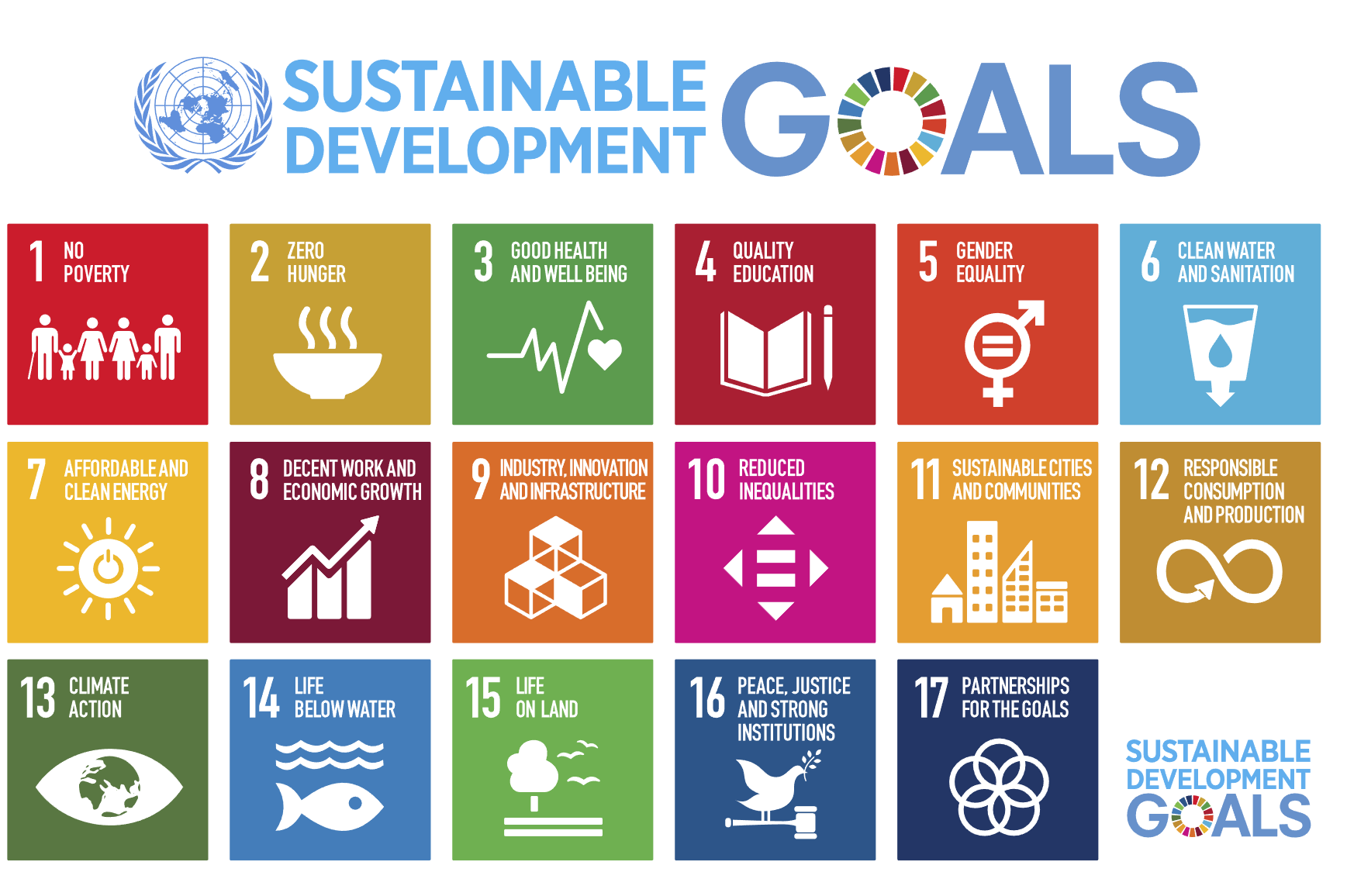
Contemporary society faces global challenges such as the economic crisis, climate change, desertification, deforestation, inequality, war and poverty. In this global context, higher education must consider sustainable development in all degree curricula.
The integration of education for sustainable development into higher education contributes to the development of university graduates’ sustainability skills, such as critical, creative and systemic thinking, problem solving and the capacity for action and collaboration. This development will allow us to form potential agents of change who are capable of shaping a more sustainable society.
The main objectives of the Education for Sustainable Development in Engineering track are the integration of sustainability into the curricula of STEM degrees, the design of teaching and learning strategies for its implementation, and the evaluation of the sustainability competency level of graduates. Faculty training in sustainability is essential for the achievement of these objectives.
This research track also includes the intersection of Artificial Intelligence (AI) and Sustainability. The current investigations are focused on how AI can be utilized to lower ecological global change negative impacts and support a sustainable management in forestry, through the application of AI, to create innovative methods to identify and monitor forest fires.